
Plenary Speakers
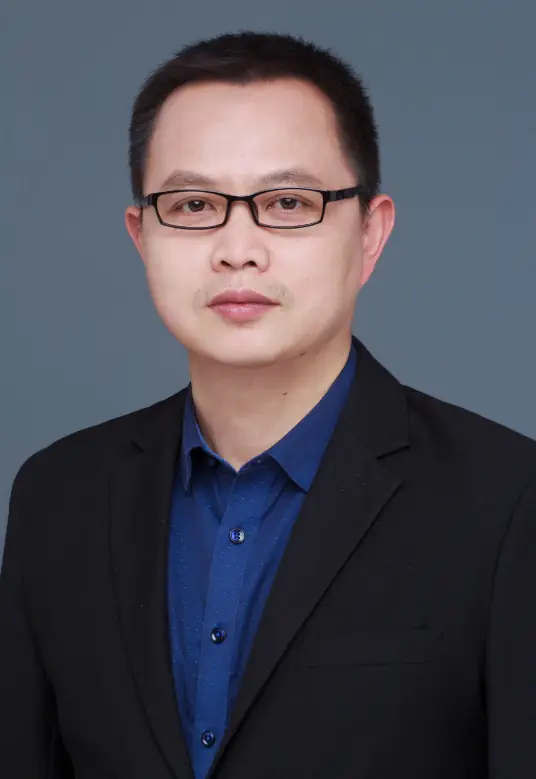
Short Bio: Prof. Shihua Li received his B.S., M.S., and Ph.D. degrees from Southeast University, China, in 1995, 1998, and 2001, respectively. He is currently a Jiangsu Specially-Appointed Professor, a Chief Professor, and the Dean of the School of Automation at Southeast University. He also serves as the President of the Jiangsu Association of Automation, a member of the Board of Directors of the Chinese Association of Automation (CAA), and is a Fellow of the IEEE, IET, AAIA, and CAA. He is a recipient of the National Science Fund for Distinguished Young Scholars.
His main research interests include nonlinear control theory and applications of mechatronic systems, nonsmooth control theory, disturbance observer-based control theory, and their applications in various mechatronic systems. He has completed over 40 research projects, with research outcomes generating significant economic benefits for enterprises. He has authored 3 books (in Chinese and English), published over 200 SCI-indexed papers, and accumulated more than 38,000 Google Scholar citations. His research awards include the First and Second Prizes for Natural Science from the Ministry of Education (both ranked first), 9 international academic paper awards, and the Nagamori Award in the field of mechatronic systems. He has been named a Clarivate Highly Cited Researcher for 8 consecutive years (2017–2024) and an Elsevier Highly Cited Chinese Researcher for 11 consecutive years (2015–2025).
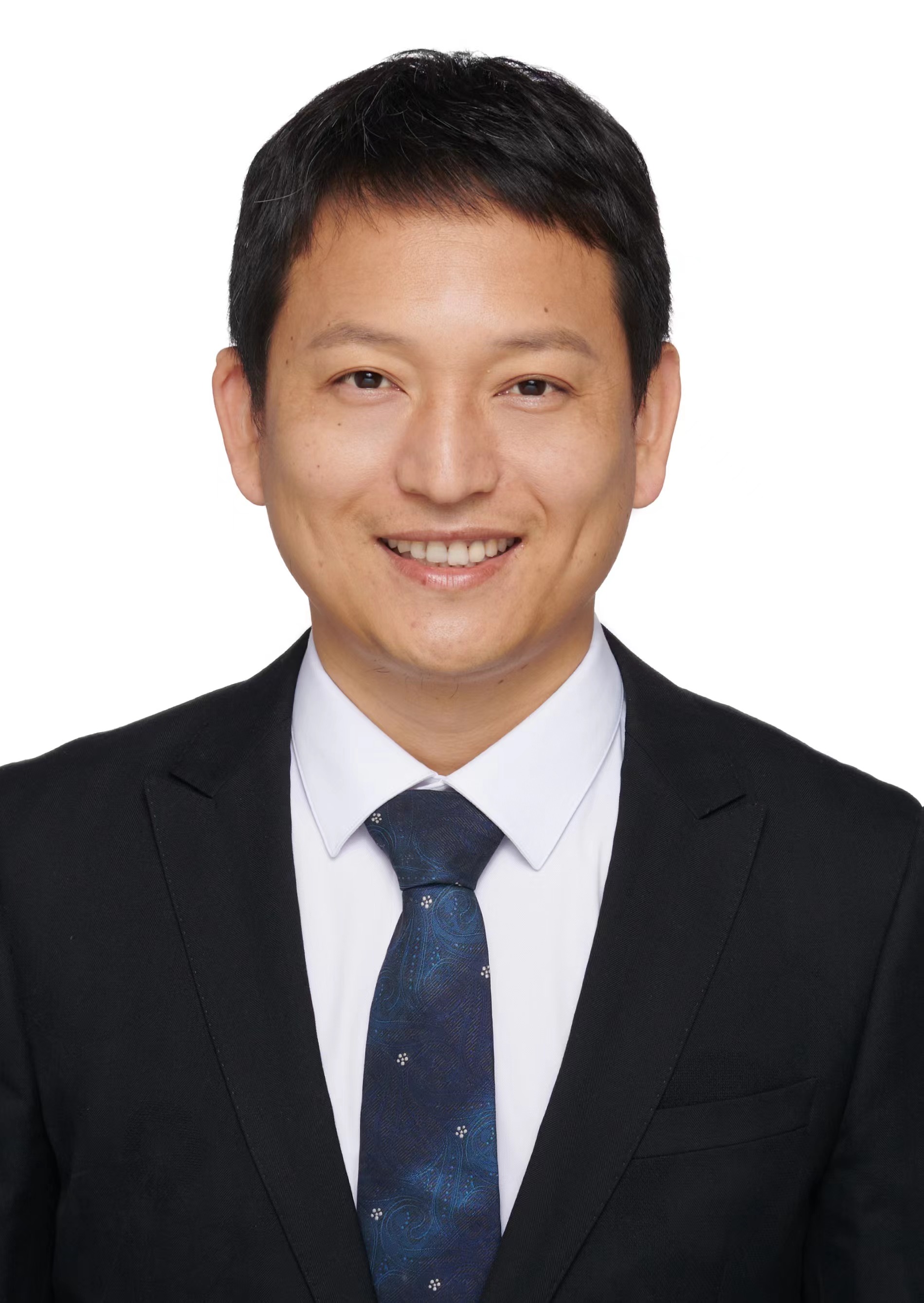
Short Bio: Dr. Lianqing Liu is a Distinguished Professor at the Chinese Academy of Sciences, a Ph.D. supervisor, and Deputy Director of his institute. He has been supported by a number of talent programs, including the National Science Fund for Distinguished Young Scholars (and its continuation project), the National Science Fund for Excellent Young Scholars, the National High-Level Talents Special Support Program for Young Top-Notch Talents (Ten Thousand Talents Program), and the Xplorer Prize (sponsored by the New Cornerstone Science Foundation). He serves as an expert member of the overall group of the National Key R&D Program "Intelligent Robots" under the Ministry of Science and Technology, Secretary-General of the National Robot Standardization Overall Group, Chairman of the Robotics Professional Committee of the Chinese Association of Automation (CAA), Vice Chairman of the Robotics Branch of the Chinese Mechanical Engineering Society, and Vice Chairman of the Confluence Robots Professional Committee of the Chinese Association of Automation. He has published over 150 papers in journals such as Nature Communications, Science Advances, and IEEE TRO/TMECH/TASE. Twenty-six of his papers were selected as cover stories by journals including Advanced Materials, Lab on a Chip, Engineering, Small, and IEEE TBME, and he has received Best Paper Awards at international conferences such as ICRA, IEEE ROBIO, and ICIRA seven times. His research achievements have been recognized with the First Prize of Natural Science of Liaoning Province, the First Prize for Technological Invention of the Chinese Association of Automation, the SLAS Top 10 Annual Breakthroughs of the Society for Laboratory Automation and Screening (2017 SLAS TOP 10), one of the Top 10 Scientific and Technological Advances in Intelligent Manufacturing in China (2020), and one of the Most Valuable Solutions in the Field of Automation in China (2023). He has received honors including the Lingyan Award of the University of Chinese Academy of Sciences, the Excellent Doctoral Dissertation Supervisor Award of the Chinese Association of Automation, the Excellent Supervisor Award of the Chinese Academy of Sciences, the IEEE RAS Early Career Award, the Annual Figure in the Field of Automation in China, the inaugural Xiong Youlun Zhihu Excellent Young Scholar Award, the Lu Jiaxi Young Talent Award of the Chinese Academy of Sciences, the President's Excellence Award of the Chinese Academy of Sciences, the Liaoning Youth May Fourth Medal, and the Liaoning May Day Labor Medal. He previously served as Vice President (2018–2019) and Senior Advisor (2020–2021) of the IEEE Robotics and Automation Society, and as Chair of the Bio-Chair Committee of the IEEE Nanotechnology Council.